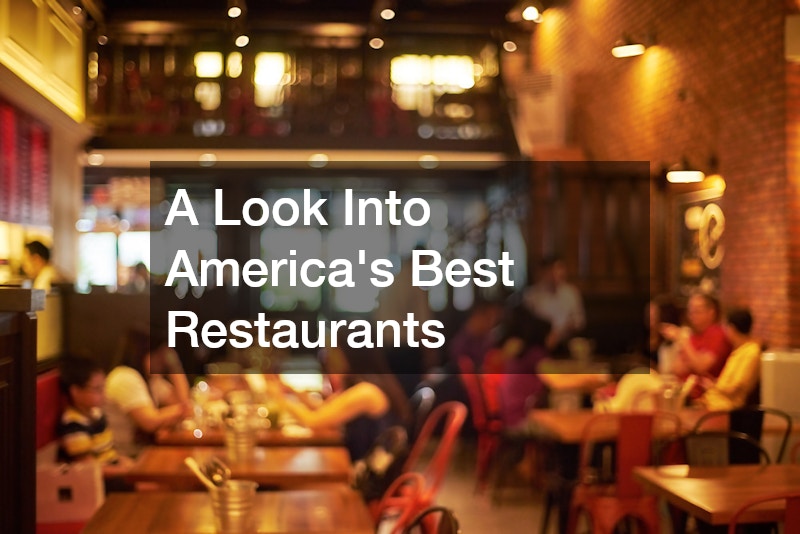
America’s culinary scene is a melting pot of flavors, reflecting its rich cultural heritage and diversity. From coast to coast, chefs are redefining classic dishes, while new talents emerge to push the boundaries of culinary art. As diners become more discerning, the quest for outstanding dining experiences is at an all-time high.
What Defines the Best Restaurants in America?
Cuisine and Creativity
The best restaurants begin in its kitchen, where cuisine merges with creativity. Innovative menus challenge traditional dining.
Chefs like Thomas Keller have revolutionized gastronomy by introducing new techniques. Bold experimentation leads to signature dishes that leave lasting impressions and attract both connoisseurs and casual diners.
Service Excellence
Exceptional service defines memorable dining. From a warm welcome to attentive service, the staff plays a crucial role in hospitality. Fine dining’s charm includes staff anticipating needs and offering recommendations. Restaurateurs know service excellence is essential in the dining experience.
Ambiance and Atmosphere
Restaurant ambiance enhances the culinary journey. Decor, lighting, and music shape the mood. A well-designed interior elevates meals to experiences. Every detail harmonizes the visual and gustatory senses.
Location and Accessibility
Location is crucial for a restaurant’s success. A prime urban spot in cities like New York or Los Angeles positions a restaurant at the center of dining decisions. Accessibility is vital; even exquisite restaurants lose appealthey are hard to reach.
Reviews and Reputation
Reviews from critics and diners can build or break a restaurant’s reputation. Social media and online platforms amplify word-of-mouth, where one poor review can impact patronage. Praise from food critics elevates esteem, attracting those seeking exceptional experiences.
Awards and Recognitions
Prestigious Awards
Michelin Stars and James Beard Awards are high honors. They recognize culinary, ambiance, and service excellence through rigorous judging. Winning establishes a restaurant among the elite, increasing bookings and global recognition.
Professional Evaluations
Critics from notable publications assess restaurants based on taste, presentation, service, and overall experience. Favorable evaluations enhance prestige and draw international attention.
Public Votes
Public opinion influences restaurant accolades via platforms like Yelp. These votes reflect genuine experiences, highlighting hidden gems. Word-of-mouth is powerful, encouraged through promotions and loyalty programs.
Insider Tips
Insider knowledge affects guests and industry peers. Chefs share insights at events or via media, revealing culinary artistry and planning. Recommendations from experts help diners explore new experiences and trends.
Notable Winners
Notable award winners display diverse tastes across the American culinary scene. Each winner’s unique approach, from innovation to tradition, enriches American dining, inspiring others and contributing to a dynamic culinary landscape.
Current Trends in American Dining
Farm-to-Table Movement
The farm-to-table movement emphasizes fresh, locally sourced ingredients, supporting sustainability and enhancing flavor. Diners seek menus that reflect seasonality and transparency.
Fusion Cuisine
Fusion cuisine merges diverse culinary traditions, reflecting America’s diversity. It introduces diners to vibrant new flavors, captivating those seeking exploration.
Casual Fine Dining
Casual fine dining combines luxury with approachability, blending high-quality experiences with comfort. Modern dining trends favor sophisticated yet informal settings.
Technology Integration
Technological advancements like menu tablets modernize operations and enhance guest experiences, appealing to tech-savvy patrons.
Dietary Preferences and Restrictions
Restaurants cater to various dietary needs with gluten-free and vegan options, acknowledging health consciousness and ethical dining.
Cultural Influence on American Cuisine
Ethnic Contributions
Ethnic flavors enrich American cuisine through immigrant influences, creating diverse culinary traditions and fusion menus representative of multicultural narratives.
Regional Specialties
Regional specialties from foods like New England clam chowder to Southern barbecue highlight unique interpretations of local ingredients and traditions.
Historical Evolution
The evolution of American cuisine shows a blend of imported traditions and innovations, influenced by societal shifts and technological advancements.
Culinary Education
Culinary education fosters professionalism, teaching essential skills and promoting innovation to aspiring chefs, shaping the future of American cuisine.
Cultural Festivals and Events
Festivals celebrate American culinary diversity, bringing together chefs, diners, and food writers to appreciate heritage through shared experiences.
Challenges Faced by American Restaurants
Economic Pressures
Restaurants face economic challenges with rising food costs and inflation, demanding financial agility and creativity in management.
Staffing and Labor Issues
Labor shortages impact operations and service quality. Retaining staff through benefits and positive work environments remains critical.
Health and Safety Regulations
Restaurants prioritize compliance with health and safety standards, adapting operations to ensure compliance and build consumer trust.
Competition Within the Industry
Restaurants face strong competition, necessitating innovation and differentiation through niche markets, quality consistency, and brand development.
Sustainability Concerns
Sustainability is a priority, with restaurants reducing food waste and sourcing eco-friendly products, aligning business with environmental goals.
America’s culinary journey illustrates the intricate interplay between tradition, innovation, and cultural exchange. Looking ahead, considerations for inclusivity, sustainability, and technological refinement will define future dining landscapes. Inevitably, American restaurants remain thriving venues of creativity, curiosity, and connection, binding individuals into the shared language of food.