The food service industry is a dynamic environment where the balance between quality and efficiency determines success. In today’s market, managing high-volume kitchens presents a unique set of challenges that require a keen focus on process optimization, resource management, and customer satisfaction. As dining preferences shift and the demand for various types of cuisine grows, restaurants and catering services must adapt their operations to manage increased volumes effectively. This involves meticulous scheduling, precise execution, and the adoption of innovative techniques that streamline kitchen operations while maintaining the authenticity and quality of the dining experience.
In this comprehensive article, we explore various facets of high-volume kitchen management. From the artful choreography required in hibachi grills to the meticulous precision of Italian pasta stations, we provide insights into how different culinary settings address their unique challenges. We’ll also look beyond the kitchen, discussing how integrated waste management and sustainability initiatives contribute to a restaurant’s operational resilience and eco-friendliness. Whether you’re in the business of a bustling sports bar or offering elegant al fresco dining, this guide offers actionable strategies that ensure success across diverse food service domains.
Managing High-Volume Interactive Grills
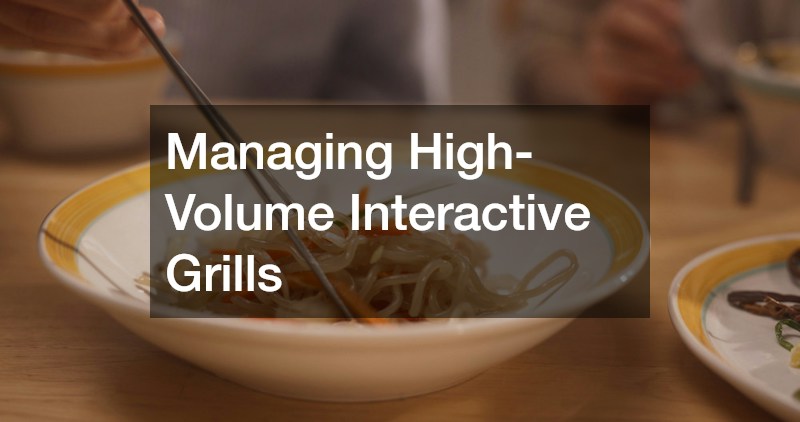
The culinary theatre of interactive hibachi food preparation presents unique challenges that require chefs to perform with precision and showmanship. Managing such grills in a high-volume setting demands synchronized choreography among grill masters, where each step must be executed flawlessly to keep pace with customer flow. A seamless interaction between chefs and kitchen staff ensures streamlined delivery of hibachi dishes that satisfy both flavor and performance expectations.
Supporting high-volume hibachi operations involves meticulously planning ingredient prep, managing just-in-time inventory flow, and adopting advanced kitchen equipment designed for rapid turnover. Chefs must balance intricate cutting techniques with swift ingredient assembly, often requiring collaborative teamwork and clear communication in bustling Japanese restaurants. Innovation in cooking methods, such as utilizing dual-zone grills, further enhances workflow efficiency by allowing simultaneous preparation of multiple dishes.
Ensuring guest satisfaction during peak hours entails more than swift food output; it extends to creating an immersive dining atmosphere that aligns with the cultural essence of the experience. Regular training workshops for culinary staff can enhance consistency in performance, while improvements in staff scheduling can accommodate fluctuating customer demand. Successful hibachi establishments thrive not only on their delicious offerings but also on the energy and ambiance that captivates patrons.
Streamlining Traditional Precision and Assembly-Line Prep
Japanese restaurants are renowned for their attention to detail and adherence to traditional culinary practices. Managing a high-volume Japanese restaurant involves striking a balance between preserving authenticity and adapting processes for efficient service delivery. This requires a methodical approach to assembly-line preparation where each station is optimized for speed without compromising the integrity of the dishes served.
Chefs in Japanese kitchens often excel in multi-tasking, performing intricate slicing while simultaneously managing multiple cooking tasks. Streamlining these operations involves using advanced kitchen aids that maximize space while minimizing effort, such as high-efficiency rice cookers and precision-cutting tools. The introduction of automated sushi rollers or high-tech noodle machines can also reduce prep time, allowing chefs to focus on creativity and presentation.
Investment in staff training is integral here, ensuring everyone understands intricate recipes and standardized procedures. This commitment to process enhancement not only accelerates food output but also nurtures a team mindset that emphasizes quality and precision. Anecdotal evidence suggests that diners gravitate towards restaurants offering both fast service and an authentic taste, underpinning the importance of achieving operational harmony in Japanese dining environments.
Navigating Peak-Hour High-Volume Pub and Grill Workflows
Sports bar grills operate in a vibrant atmosphere where swift service and hearty meals are synonymous with a satisfying guest experience. Navigating these peak-hour workflows entails creating a dynamic environment where food preparation is quick, precise, and consistent. Workflow management at sports bar grills often relies on dividing the kitchen into distinct zones where different cooking methods can occur simultaneously.
During high-demand periods, whether game days or weekends, staffing levels are critical to manage the large influx of patrons. Effective communication between cooking stations ensures that orders are timely and correct, contributing to faster table turnarounds. Technological interventions, such as implementing kitchen display systems, enhance order accuracy and reduce wait times by maintaining clear lines of communication across the culinary team.
Furthermore, sports bars often thrive by diversifying their menu offerings to cater to a wide array of tastes. This involves the strategic selection of menu items that are quick to prepare yet maintain consistency in flavor and quality. Expanding the drink selection complements the food menu and encourages longer patron stays, thereby maximizing revenue, especially during key sporting events.
Optimizing High-Capacity Pasta, Sauce, and Oven Stations
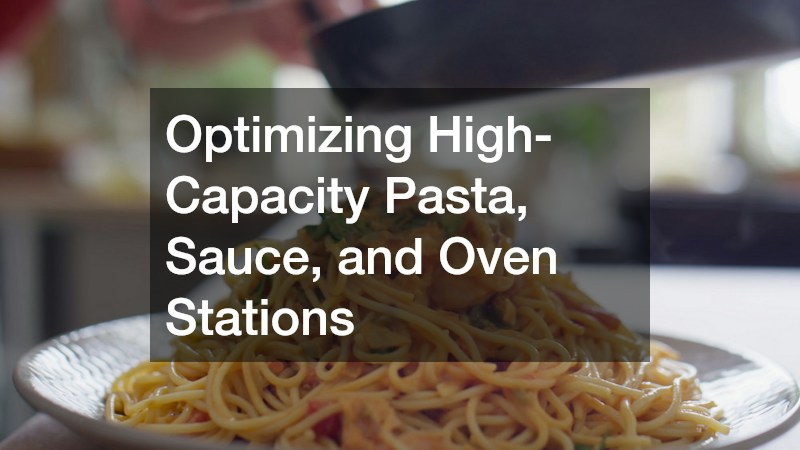
Italian restaurants are celebrated for their rich culinary heritage and emphasis on quality ingredients. Optimizing high-capacity pasta and sauce stations in these settings involves a strategic alignment of traditional cooking practices with modern efficiency protocols. Chefs must coordinate their efforts across various cooking stations to maintain the distinct flavors and textures that Italian cuisine is known for.
Effective pasta preparation prioritizes batch cooking during peak times, ensuring that freshly made pasta is available on-demand. Sauce preparation, often regarded as an art form in Italian culinary realms, is timed and lid-managed to ensure consistency and save on waste. Front-of-house management adopts an agile approach, refining customer seating and ordering processes to smoothly transition to service peaks.
The installation of high-capacity ovens and precision temperature controllers aids in reducing cooking time while maintaining even heat distribution. Continuous product and process evaluations, including the refinement of pasta recipes and sauce formulas, ensure evolving patron tastes are satisfied. Investing in quality kitchen hardware aligns with the sustainability ethos predominant in authentic Italian dining experiences.
Bridging the Gap Between Indoor Kitchens and Patio Service
Al fresco dining has become increasingly popular, offering patrons an enjoyable way to dine outdoors while enjoying suitable weather. Bridging the gap between indoor kitchens and patio service requires managing logistics that ensure seamless delivery of food and drinks to outdoor seating areas. This often involves adopting mobile stations that act as extensions of the indoor kitchen’s functional capabilities.
Communication technology, such as portable intercom systems, facilitates real-time communication across indoor and outdoor teams. It ensures orders are transmitted efficiently, minimizing the time between kitchen preparation and customer service. Carefully scheduled staffing balances needs across both dining arenas, optimizing resource usage while promoting service speed and precision.
Environmental factors in outdoor dining require a proactive approach to service management. Adapting to unexpected weather changes and peak service hours calls for flexible seating arrangements and contingency planning. Finally, adopting sustainable practices, such as eco-friendly tableware and upcycling materials for alfresco areas, can further enhance the dining atmosphere while reducing ecological footprints.
Scaling Kitchen Prep for Off-Site and Large-Group Hospitality
Event catering poses unique challenges, demanding scalability and adaptability that chefs and staff must master to satisfy large groups. Successful scalability involves developing a comprehensive prep strategy that leads to effective production and service workflows. This is crucial for maintaining the quality that clients expect for special occasions.
High-level coordination and transport logistics are central to the successful execution of off-site catering. Advanced planning and detailed event timelines ensure that all components of the culinary experience are ready made with precision timing. In this sense, portable kitchen setups, paired with dedicated transport vehicles, can replicate the same high standards seen in brick-and-mortar establishments.
Training staff in diverse culinary techniques prepares them to handle unanticipated challenges during large-scale events. Techniques that allow for rapid dish assembly, like mise en place for ingredient preparation, set the groundwork for efficient on-the-spot cooking and service delivery. These practices ensure that event catering not only extends brand reach but also leaves a lasting impression on clients and their guests.
Best Practices for Daily Fryer Maintenance and FATS Protocols
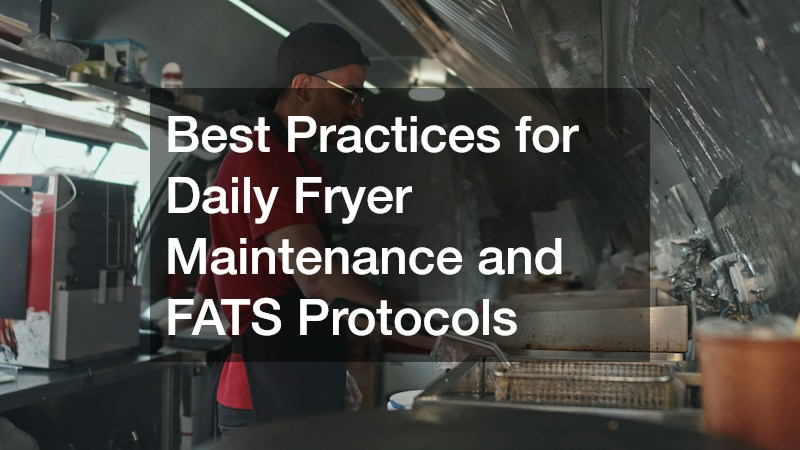
High-volume kitchen operations often entail intensive use of frying equipment, requiring regular maintenance and adherence to FATS (Fats, Oils, and Grease) disposal protocols. Regular fryer maintenance involves routine cleaning, oil changes, and checks for wear and tear to ensure optimal frying conditions. These practices help avert kitchen fires and maintain food taste and quality over time.
Education on FATS protocols is fundamental to safeguarding kitchen plumbing systems from clogs and backups. Establishments must implement strict protocols regarding cooking oil disposal to comply with environmental regulations and protect community water systems. Adopting practices such as skimming oil regularly and using oil-water separators during disposal can significantly minimize FATS buildup.
Partnering with a reliable cooking oil recycling company can provide effective waste management solutions, turning waste into usable products while supporting sustainability goals. Regular staff training ensures awareness and commitment to maintenance and FATS compliance, fostering a culture of cleanliness and environmental responsibility within the workplace.
Partnering with Commercial Waste Reclamation Services
Integrating commercial waste reclamation services into restaurant operations can have a substantial impact on sustainability goals and cost management. These services offer organized disposal solutions that facilitate efficient recycling and reclamation of used materials. Establishing partnerships maximizes resource recovery and reduces waste footprints, aligning with environmental responsibility objectives.
Collaborative partnerships with a cooking oil recycling company streamline the retrieval and processing of spent oils. Reclaimed oil conversion into biodiesel offers eco-friendly alternatives, reinserting restaurant waste into the market as a renewable energy source. These initiatives not only improve a restaurant’s environmental profile but can result in financial incentives due to reduced waste handling costs and environmentally driven programs.
Continued reinvestment in commercial waste reclamation brings innovative practices and technologies into everyday operations, keeping food service organizations at the forefront of sustainability advancements. It fosters the adoption of best practices across all facets of kitchen waste management, ensuring compliance with local regulations and fulfillment of long-term sustainability commitments.
Maintaining Clean Exhaust Hoods, Interceptors, and Drainage
Exhaust hoods, interceptors, and drainage systems play critical roles in maintaining safe and functional kitchen environments. Effective grease removal is essential for preventing hazardous buildup, which could lead to fires or contamination issues. Maintenance schedules should incorporate regular inspections and cleaning routines, tailored to usage intensity and local regulatory standards.
Operating within best practice frameworks, kitchen staff can contribute to effective maintenance by routinely scrubbing surfaces and skimming grease traps. Installing high-efficiency, automated cleaning systems in exhaust hoods can further reduce the load on manual tasks, enhancing safety and sanitation across the kitchen space. These systems help ensure compliance with health and safety codes, protecting both employees and guests.
Professional services for grease removal can also accommodate more specialized cleaning needs that exceed in-house capabilities. Subscribing to external cleaning services complements regular internal efforts, ensuring equipment longevity and optimal performance. The integration of technology into cleaning routines can simplify processes, ensuring thoroughness and reliability in kitchen sanitation practices.
Turning Spent Kitchen Byproducts into Sustainable Resources
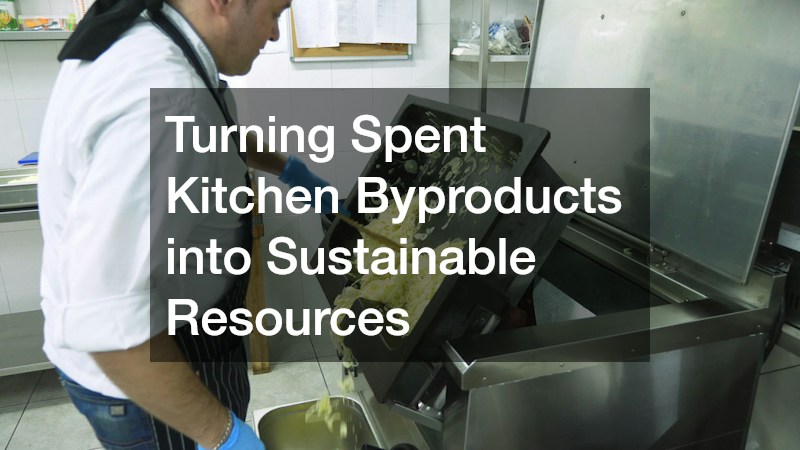
The transformation of used cooking oil, animal fats, and other kitchen byproducts into sustainable resources represents a significant advancement in environmentally conscious food service practices. Innovation in recapture and reuse programs allows restaurants to contribute to a circular economy, where waste is reduced and resources are sustainably reintegrated into the market.
By recycling used cooking oil into biodiesel, restaurants participate in carbon reduction efforts through renewable energy generation. Programs that facilitate the collection of these byproducts open doors for reducing environmental impact, improving the sustainability footprint, and supporting global carbon neutrality objectives. Additionally, engaging staff in sustainability training ensures comprehensive participation in eco-friendly initiatives.
The burgeoning market for green energy sources creates incentives for organizations to adopt sustainable practices across all operational levels. Serving as industry leaders in green initiatives can bolster brand reputation and attract environmentally conscious patrons. Evolving sustainability practices keep establishments adaptive and in alignment with future environmental mandates, safeguarding their long-term viability.
In conclusion, managing high-volume kitchens requires multifaceted strategies that encompass not only the technical skills of culinary teams but also innovative approaches to operational and environmental efficiency. From the mastery of hibachi performance in Japanese restaurants to the harmony of pasta preparation in Italian kitchens, each segment of the food service industry presents its own unique demands that must be met with dexterity and planning. As dining preferences continue to evolve, successful establishments are those that embrace both tradition and innovation to deliver exceptional dining experiences consistently.
Sustainability initiatives such as cooking oil recycling and commercial waste reclamation are critical to reducing the environmental impact of high-volume kitchens. By integrating these practices into daily operations, restaurants can contribute to broader sustainability goals and position themselves as key players in promoting a circular economy. This not only supports global environmental efforts but also enhances consumer trust and loyalty.
Ultimately, the convergence of operational excellence and sustainability in high-volume kitchen management positions restaurants to meet the challenges of modern dining. It ensures that delightful culinary experiences are delivered while preserving the planet’s resources for future generations. Discovering the synergies between efficient kitchen practices and sustainable innovation can unlock untapped potential, driving success across the diverse landscapes of the food service industry.